




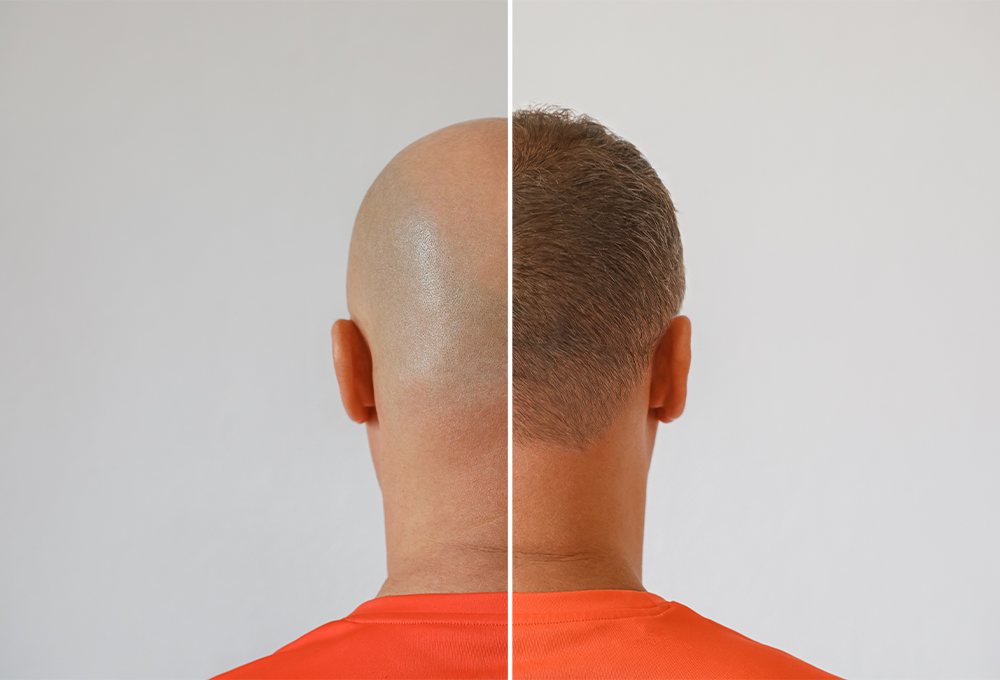
Hair transplantation has become a popular solution for many individuals dealing with the issue of hair loss. However, understanding how the hair transplantation process works can assist you in making an informed decision. In this blog, we will thoroughly examine the hair transplantation process.
Consultation and Planning
The hair transplantation process begins with a consultation. At this stage, communication is established between the patient and the hair transplantation specialist. The following steps are taken during this phase:
- History and Hair Evaluation: The patient provides information about their hair loss history, and an examination is conducted to assess the type and degree of hair loss.
- Hairline Design: The desired hairline and hair transplantation goals are determined in collaboration with the patient.
- Planning: The hair transplantation specialist determines the required amount of hair and follicles, creating a plan for the procedure.
Hair Transplantation Techniques
The hair transplantation process is carried out using two main techniques:
- Follicular Unit Extraction (FUE): In this technique, individual hair follicles are extracted, leaving minimal scars and allowing for quick recovery.
- Follicular Unit Transplantation (FUT): The FUT technique involves taking a strip of hair from the scalp, separating the hair follicles, and then implanting them.
Procedure Day
- Anesthesia: Local anesthesia is applied during the procedure to ensure the patient does not feel pain.
- Extraction of Hair Follicles (FUE): If the FUE method is used, hair follicles are individually extracted.
- Opening Channels: Microchannels are created in the areas where hair transplantation will take place.
- Implantation of Hair Follicles: The extracted hair follicles are implanted into the channels.
Recovery and Results
- The patient's head is bandaged after the procedure.
- Some scabbing and redness may occur in the first few days.
- The recovery process can vary from person to person, but generally, normal activities can be resumed within a few weeks.
- Hair transplantation results become more apparent over time as the hair follicles regrow.
Post-Hair Transplant Care and Recommendations
Follow Medications and Instructions:
- Regularly use the medications prescribed by your doctor. Pain relievers, antibiotics, and medications to reduce swelling are commonly prescribed.
Keep the Head Elevated:
- Maintain your head in an elevated position for the first few days after the procedure. This helps reduce swelling.
Use Bandages and Protective Materials:
- Use the bandages and protective materials provided after hair transplantation. Do not remove the bandages for the prescribed duration, and follow your doctor's instructions.
Hair Washing and Cleanliness:
- Avoid washing your hair for a specific period after hair transplantation. The first washing is usually done at the hair transplantation center. Follow your doctor's instructions for hair washing.
Avoid Heavy Exercise and Activities:
- Steer clear of heavy exercises, sports activities, and other strenuous activities for a few weeks after hair transplantation. Opt for light exercises to expedite the recovery process.
Alcohol and Smoking:
- Avoid alcohol and smoking during the recovery process, as they can negatively impact healing.
Sun Protection:
- Avoid direct sunlight after hair transplantation and protect your head from the sun. UV rays can cause irritation to the skin.
Nutrition:
- Maintain a healthy diet during the recovery process. Pay attention to adequate protein, vitamin, and mineral intake, as these are essential for hair health.
Manage Stress:
- Avoid stress in the post-procedural period, as stress can increase hair loss. Use stress management techniques such as meditation, deep breathing exercises, or walks.
Follow Doctor Check-ups:
- Regularly communicate with your doctor or surgeon during the post-procedural period and attend scheduled check-up appointments.
Remember that each patient is unique, and the recovery process may require a personalized approach. Adhere fully to your doctor's or surgeon's recommendations, and reach out immediately if you have any questions or concerns. Following the correct post-hair transplant care and recommendations will contribute to achieving successful results.
Hair transplantation is an effective solution for many individuals dealing with the problem of hair loss. The procedure requires comprehensive consultation, planning, and expertise. Collaborating with a skilled professional makes it possible to achieve natural and satisfying results.