




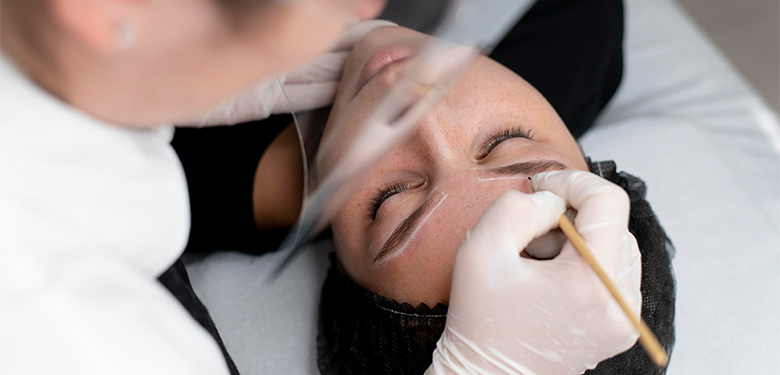
Eyebrow transplantation is a cosmetic surgical procedure performed to achieve denser and more natural-looking eyebrows for individuals experiencing thinning, thinning, or absence of eyebrows. This procedure can be a preferred solution in cases where eyebrows are lost due to shedding, injury, burns, or genetic factors.
The eyebrow transplantation procedure utilizes a similar method to hair transplantation. During the procedure, hair follicles are typically taken from the back of the head and transplanted to the eyebrow area in alignment with the natural growth direction of the eyebrows. Eyebrow transplant surgeons meticulously place individual follicles to achieve aesthetically pleasing results, ensuring a very natural appearance.
Postoperative care: After eyebrow transplantation, it is important to follow the care recommendations provided by your doctor for wound healing and achieving optimal results.
Medication use: Your doctor may prescribe medications such as painkillers and antibiotics. It is essential to use these medications regularly as directed.
Avoid touching the eyebrows: Refrain from touching the newly transplanted eyebrows to allow for proper healing. Be careful to prevent irritation to the eyebrows.
Healing process: After the procedure, you may experience scabbing, swelling, and redness in the eyebrows. This is normal and will diminish over time.
Makeup and sun protection: Avoid applying makeup for a specific period after eyebrow transplantation. Additionally, use sun protection products to shield the eyebrows from the sun.
Doctor appointments: Regularly attend the periodic check-ups recommended by your doctor. Monitoring the healing process and intervening when necessary is crucial.
Patience: It is necessary to wait until the results of the eyebrow transplantation are fully realized. The appearance of your eyebrows may change in the initial period, but natural and permanent results will be achieved over time.
The eyebrow transplantation procedure can vary from person to person, so it is important to adhere to postoperative care instructions and follow your doctor's recommendations. Additionally, communicate your expectations and questions with your doctor before the procedure to obtain comprehensive information.