




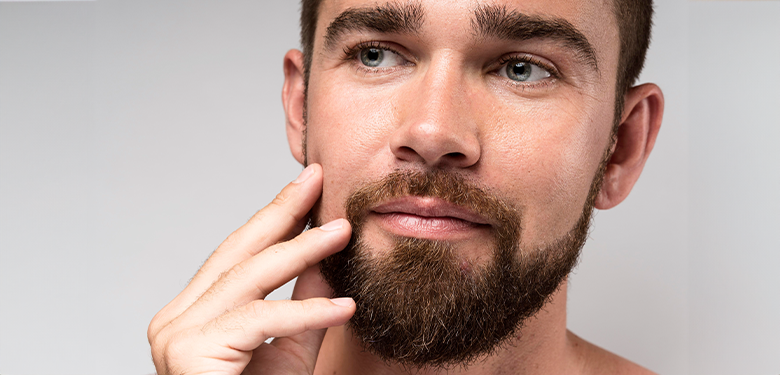
Beard and moustache transplantation is a cosmetic surgical procedure used to replenish or enhance facial hair in the beard and mustache areas, similar to hair transplantation methods. This procedure is often popular among men and can contribute to achieving a more masculine facial appearance. It is also preferred for individuals who have no hair growth in these areas due to beard or mustache deficiencies, scars, or permanent hair loss.
Beard and moustache transplantation is typically performed using techniques such as Follicular Unit Extraction (FUE) or Follicular Unit Transplantation (FUT), similar to those used in hair transplantation procedures. During the procedure, hair follicles (roots) are extracted from the donor area and transplanted into the beard or mustache area. The donor area from which the follicles are taken is usually the hair at the back of the head.
The aim of Beard and moustache transplantation is to achieve the desired density and shape of facial hair as requested by the patient. The goal is to give the person a suitable and natural appearance on their face. Post-procedure, a recovery period may be necessary, and it is crucial to adhere to specific care instructions.
Recovery Period: The post-procedure recovery period is important. Symptoms such as redness, scabbing, and swelling may be observed on the skin, which usually diminishes within a few days to a few weeks. The recovery process may vary from person to person.
Post-Procedure Care: Crusts or scabs formed on the skin should not be removed before falling off naturally. It is essential to follow post-procedure care instructions and adhere to the recommendations of the performing doctor.
Antibiotics and Painkillers: If prescribed by your doctor, use antibiotics and painkillers regularly as directed.
Sun Protection: The skin may be sensitive after the procedure. Protection against sunlight is crucial, and sunscreen products should be used.
Alcohol and Smoking: Avoid alcohol and smoking for a certain period after the procedure, as these substances can affect the healing process.
Exercise: Avoid heavy exercises post-procedure. Your doctor will provide recommendations on when you can return to your normal routine.
Hygiene: Maintain cleanliness in the facial area and avoid touching it. Hands should be kept clean.
Medications: Use any medications prescribed by your doctor regularly. If you are considering any over-the-counter drugs or supplements, consult with your doctor first.
First Weeks: In the first few weeks, avoid putting excessive pressure on the beard or mustache area and refrain from friction.
Waiting for Results: Results of Beard and moustache transplantation develop over time. The full clarity of results may not be evident in the first few months, so patience is essential.
Careful adherence to the post-transplantation recovery process is crucial to achieving the best results. Therefore, following your doctor's recommendations and instructions fully is a critical step to prevent post-procedure complications and experience a successful recovery process.